

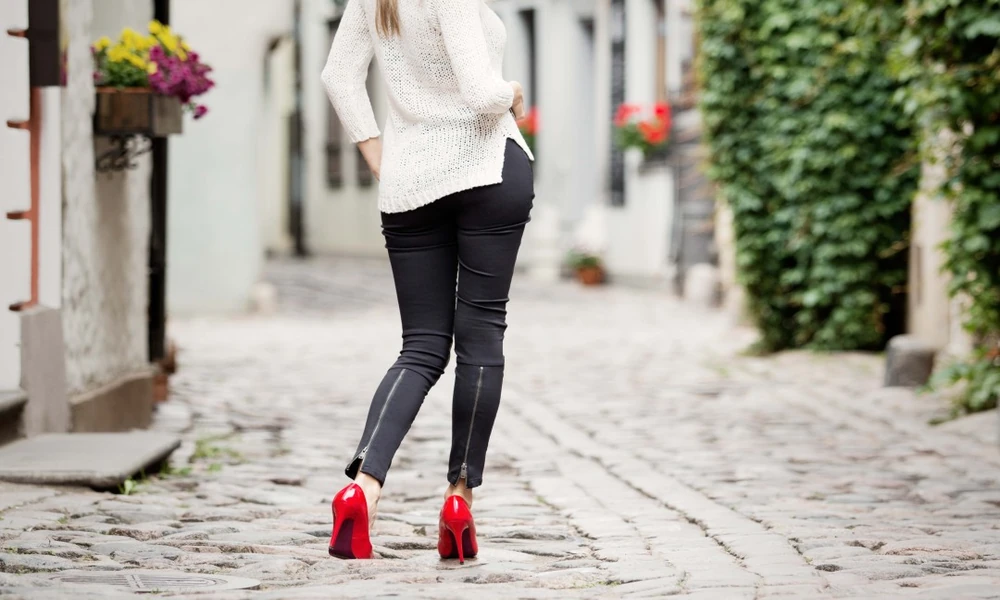
Bottomwear affects an outfit more than most people realise because the waist, rise and leg shape decide where everything else sits. A pair of trousers can look polished and still be annoying if the waistband rolls, pockets flare or the hem catches under your shoes. The useful pairs are the ones that stay comfortable through a full day and work with several tops.
Quick Style Reference
| Option | Good For | Try It With / Check |
| Straight trousers | Work, smart casual | Shirts, knits |
| Wide leg | Relaxed smart outfits | Fitted tops |
| Tapered trousers | Daily office wear | Polos, shirts |
| Relaxed pants | Casual days | Tees, overshirts |
Sit Down Before You Judge the Waist
When trying Straight Fit Trousers Pants, sit for a minute. The waistband should not dig into the stomach or gap sharply at the back. Straight-fit trouser pants are useful because the leg line is easy to pair, but the cut still needs enough room through the seat and thigh for comfortable movement.
Choose Rise by Comfort, Not Rules
High, mid, and lower rises all change how a top looks when tucked. The best rise is the one that stays comfortable when you sit and does not need constant pulling up. Try it with the top length you wear most often rather than judging the trousers in isolation.
Use Colour to Expand the Rotation
A pair of Brown Trousers Pants can be a useful alternative to black or navy, especially with cream, white, blue, and muted green tops. Brown trousers pants are neutral enough to repeat but change the overall tone of an outfit. Check the shade in daylight because warm and cool browns pair differently.
Pockets Should Lie Flat
Pocket openings that pull or flare can be a fit signal, especially around the hip. Put your phone in if you normally carry it there and see how the trousers sit. Practical details are only useful when they do not distort the shape of the garment.
Hem Length Depends on the Shoes
Straight trousers can break lightly over a shoe, skim the ankle or sit cropped. Decide which look fits your wardrobe and test the pair with your usual footwear. A hem that drags will wear out quickly, while one that is too short may limit how smart the trousers can look.
Check the Outfit From the Side
Front-view fit can hide issues that become obvious from the side. Look at whether the waistband stays level, whether the side seam hangs straight and whether the fabric pulls from the hip toward the pocket. Then tuck in a normal top and see if the rise still feels right. This is also a good moment to check pocket bulk and belt loops. Trousers that look balanced from the side tend to feel easier to style because the waist and leg line are doing what the cut was designed to do.
To Wrap Up
Good bottomwear starts at the waist and ends at the shoe. Check comfort while sitting, make sure pockets lie properly and choose a rise and hem that work with your usual tops. Once the fit is dependable, adding a second neutral such as brown can make the wardrobe feel more varied without becoming difficult to match.
FAQs
1. Which cut suits most people?
Straight. The fabric falls away from the leg rather than following it, which forgives a heavier thigh where a slim cut pulls at the seam.
2. Why do my trousers bag at the knee?
No elastane in the fabric, or heat damage from tumble drying. Without stretch recovery, woven fabric stays stretched once it has given.
3. What’s the difference between high rise and mid rise, and which should I buy?
High rise sits at the natural waist, holds a tucked top cleanly, and lengthens the leg. Mid-rise sits an inch or two lower and pairs with more tops, including untucked ones, so it’s the safer first buy if you’re only choosing one.
4. Why does brown work better than people expect?
It pairs with cream, olive, rust, and mustard in a way navy and grey don’t quite manage, and it tends to read warmer against Indian skin tones. That makes it a more versatile neutral than it usually gets credit for.
5. Where should trouser hems fall?
Just at the shoe, with a slight break, which reads tidiest across most cuts. It’s worth checking the inseam in inches rather than trusting a product photo, since model height throws off how the length actually looks.
