

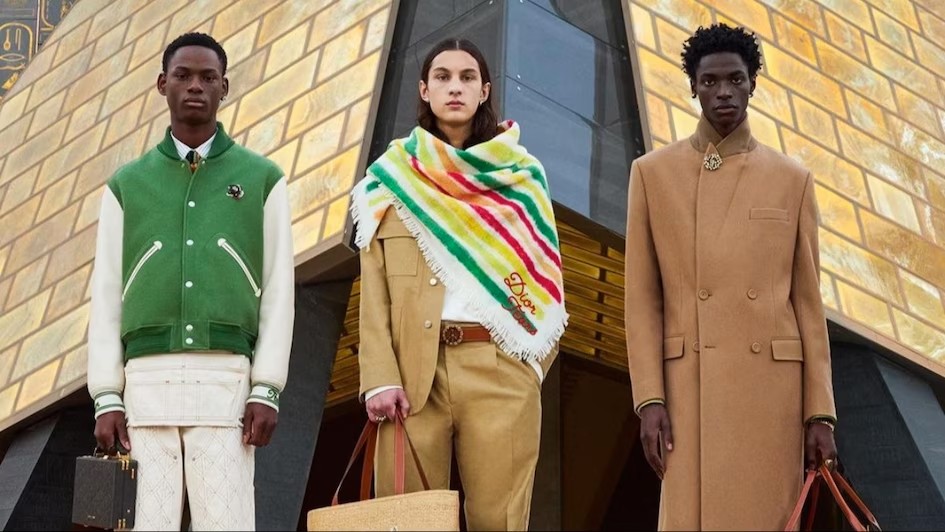
The fashion landscape has undergone a remarkable transformation over the decades, with the lines between menswear and womenswear becoming increasingly blurred. This evolution is a testament to the dynamic nature of fashion, where the glory of the streets has played a pivotal role in shaping contemporary styles and trends.
As we embark on this sartorial journey, it becomes evident how streetwear has not only influenced but also revolutionized traditional fashion norms, making bold fashion statements along the way.
The Rise of Streetwear
Streetwear’s emergence can be traced back to the vibrant subcultures of the 1980s and 1990s, where it was initially embraced by skateboarders, hip-hop enthusiasts, and graffiti artists. This era marked the beginning of a new chapter in fashion, where the streets became a canvas for self-expression and rebellion against the mainstream.
The appeal of streetwear lay in its accessibility and authenticity, resonating with a youthful audience eager to make their mark on the world.
Blurring the Lines: Menswear and Womenswear
Traditionally, menswear and womenswear have been distinctly separate entities, each with its own set of rules and expectations. However, the influence of streetwear has challenged these norms, fostering a more inclusive and fluid approach to fashion.
Designers began to experiment with androgynous styles, oversized silhouettes, and unisex garments, effectively blurring the lines between genders. This shift not only reflected a change in societal attitudes toward gender but also showcased the versatility and adaptability of streetwear.
- Androgynous Styles: Incorporation of elements traditionally associated with the opposite gender, promoting a more inclusive fashion landscape.
- Oversized Silhouettes: A departure from form-fitting garments, emphasizing comfort and a relaxed aesthetic.
- Unisex Garments: Clothing designed to be worn by anyone, regardless of gender, highlighting the universal appeal of streetwear.
The Glory of the Streets
The glory of the streets lies in its ability to serve as a melting pot of cultures, ideas, and innovations. Streetwear’s ascendancy to the forefront of fashion is a reflection of its unique ability to capture the zeitgeist, embodying the spirit of rebellion, freedom, and creativity. It’s a celebration of individuality, where each piece of clothing tells a story, and every outfit is a personal statement.
Fashion Statement: A New Era
The evolution of streetwear has ushered in a new era of fashion, where making a fashion statement is about more than just aesthetics—it’s about conveying a message, championing a cause, or simply asserting one’s identity.
This paradigm shift has been instrumental in elevating streetwear from niche subcultures to global runways, with luxury brands and high-profile designers embracing and incorporating street elements into their collections.
The Future of Womenswear and Menswear
As we look to the future, the trajectory of womenswear and menswear appears to be increasingly intertwined with the ethos of streetwear. Sustainability, ethical production, and inclusivity are becoming central themes, reflecting a broader societal shift towards conscious consumption and social responsibility.
The ongoing dialogue between street culture and high fashion promises to continue inspiring innovation, challenging conventions, and redefining what it means to make a fashion statement.
Conclusion
The evolution of menswear and womenswear through the lens of streetwear is a compelling narrative of transformation, innovation, and defiance. From the gritty alleys of urban landscapes to the polished floors of high fashion, the journey of streetwear is a vivid illustration of fashion’s power to transcend boundaries, unite cultures, and express the multifaceted nature of human identity.
As we move forward, the legacy of streetwear and its impact on fashion will undoubtedly continue to evolve, reflecting the ever-changing tapestry of society.
