

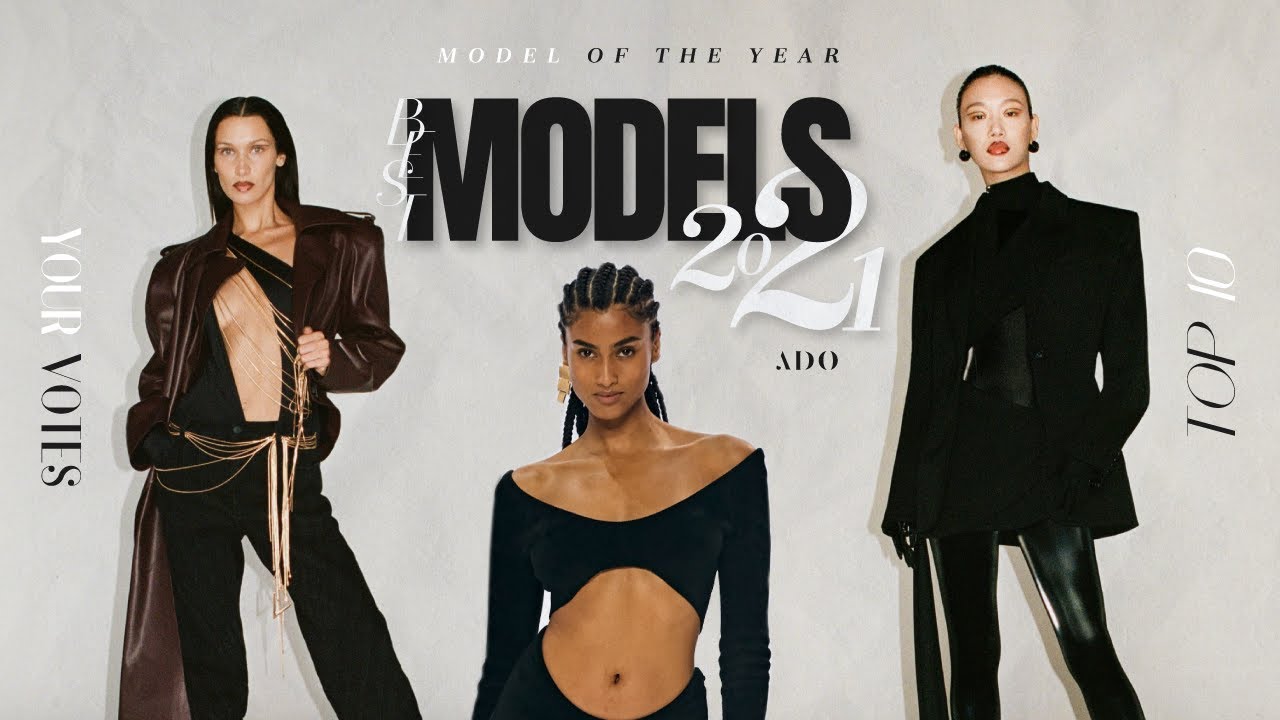
Fashion models work with consumer brands, designers, photographers and artists to promote a wide variety of products. They also appear in magazine editorials and adorn clothing during runway shows.
Models must meet strict height and other aesthetic requirements. While they are not required to attend postsecondary education, attending modeling classes may give them a competitive edge in the industry.
What size clothes do models wear?
A model’s body is very important to the fashion industry, so it’s no surprise that models need to be able to fit the clothes they wear. Some brands may require specific clothing or shoe sizes for their models, while others might not.
Generally, high fashion models are tall and lean with proportions that show off their clothing in the best way possible. But that doesn’t mean that there isn’t a wide variety of sizes available for models to work with.
Some designers prefer to have a single type of model for their shows and editorials, so they hire models who are in the average height range and have slim figures. Some also use petite models, who are shorter than average.
The standard size for runway models is usually a US dress size 0 or 2, although some of them can be smaller or larger than that. Some of the top models in this category are Ashley Graham and Paloma Elsesser, who both have flourishing careers.
It’s important for a designer to have a variety of size options for their collection, as this can help consumers to find what they are looking for. While the standard model sizes for runway models and fashion shows have been fetishized by the fashion industry for decades, there is a growing movement to change that.
According to Liz Black, creator of the website P.S. It’s Fashion and a lead plus-size fashion writer for Refinery29, she thinks that “brands need to take their responsibility to represent a range of sizes seriously.”
As the number of women who are size 16 or beyond continues to rise in the U.S., the fashion industry is catching on to this trend and is taking more liberties with the term “plus-size.” Instead of representing the full range of body types, some designers are using “plus size” models as marketing tools to promote straight-sized clothing designs alongside their fat models.
This is not an easy task to accomplish, but it’s one that should be done if the fashion industry wants to break down the stereotypical “ideal” body shape. It will also encourage more people to accept their own bodies and not to fear the way they look in a dress or skirt.
Do models get to keep the clothes?
Whether models get to keep the clothes they wear depends on the specific arrangement made between the model and the designer or client. In some cases, they may be allowed to keep the items they wore during the shoot or runway show as part of their compensation for the job. This can be especially helpful for emerging designers who may not have the budget to pay their models in cash.
Fashion models typically appear in advertising and on the runway during fashion shows to display their clothing or accessories. They can also appear in print media or at retail stores to promote their work.
A good fashion model should have a strong sense of style and be able to showcase the clothing in the best possible way. They should also be professional and courteous, punctual, and reliable. They should be able to handle the pressures of their job and be open to feedback and direction from their agents or stylists.
They should also have a well-developed sense of self-image. They should be comfortable in their own skin and have a strong confidence and sense of humor.
In addition to modeling, they may also be involved in other aspects of the fashion industry, including designing or creating clothing lines and managing social media accounts. They may also be required to sign contracts with their agencies or clients that outline their responsibilities, compensation, and other terms of their work.
Despite the glamour that they sometimes portray, models often have little job security, are freelancers and may not be covered by health insurance or receive any sort of regular pay. In fact, many of them end up in debt to their employers.
To become a fashion model, you must have a strong work ethic, be reliable and punctual, and have a passion for the industry. You also must be able to look your best, which means eating healthy and exercising regularly. You should also invest in high-quality, stylish clothing that flatters your body type and make you feel confident.
Do models get paid for their appearances?
Models are a vital part of the fashion industry, often appearing in runway shows and on television. They also work in a number of other areas, including promoting products and helping artists to showcase their work.
These types of jobs are not usually as glamourous as they may seem, and can involve working in all weather conditions. They might also include traveling for photoshoots and other events in different cities.
Depending on the type of modeling job, models can earn anywhere from $200 to $500 per day for an editorial shoot. They also might have a “call sheet,” which lists the creative team and the exact location of the shoot.
A call sheet should give a model all the information she needs to know, such as the location of the shoot, the photographer, stylist, makeup artist, and any other requirements she might need to meet before arriving on set. This information can be distributed to models via phone calls or email.
In some cases, models receive a percentage of their earnings, which can be a significant amount of money. However, this percentage can fluctuate based on the client’s negotiation ability and whether the model is independent or represented by an agency.
Some agencies offer incentives to new models, such as guarantees or image boards. This can be a good way to get paid quickly and ensure you will be able to pay your agency back for expenses, such as flights, hotels, and photoshoots.
The best thing to do if you want to become a model is to find an agent or agency that represents the type of modeling that you are interested in. They will have a list of clients that they represent and can help you to book them.
When you are signed with an agency, you will need to make sure that you have a current portfolio of your photos to show potential clients. This should include composite cards that show your body measurements, which are necessary for most agencies to sift through when they are looking for models.
You will also need to have a health certificate to prove that you are healthy and not overweight. This is especially important if you are working for high-fashion brands, which have stricter requirements than commercial models.
Do models have a set schedule?
Models are hired by consumer brands, fashion designers, photographers, and artists to advertise their clothing, hairstyles, and appearance. They often work with stylists and makeup artists to create their looks, but they’re ultimately responsible for how they look in front of the camera.
Modeling is a very demanding career and requires you to have a lot of patience and stamina. You’ll spend long days on set, posing for photos, and working under harsh conditions. You’ll also need to be able to follow the creative direction of the photographer or director with ease.
You will most likely work with an agent – someone who helps you find and book modeling jobs for your portfolio. They will also help you with your resume, composite cards, and networking with clients. You will often need to pay them a fee to get their services, but it’s worth it for the experience.
Some models may be sent abroad for training and editorial work. This is particularly common for beginner fashion models in the United States, who often go overseas to gain editorial experience and a larger client base.
There are many different types of models, but the main difference is that some focus on photography and others on advertising campaigns. These two categories of models are called editorial and glamor models, respectively. Editorial models typically take more artistic and avant-garde style photographs, while glamor models focus more on traditional beauty and luxury photoshoots.
Generally speaking, models are considered independent contractors, so they don’t have the protections that full-time employees do. This can make them vulnerable to sexual harassment and other forms of abuse, so it’s important for models to have thick skin and be willing to stand up for themselves.
They are also required to take a strict diet and exercise regimen to maintain their shape and look. They also need to be able to adapt their clothing and hairstyles to different settings and weather conditions.
The amount of time that a model spends on each project will vary depending on the needs of the company. Some will require them to be on location for extended periods of time, while others are more flexible with their schedules.
