


Top-notch quality images are essential for grabbing customers’ attention, showcasing your products’ features, and ultimately driving sales. But beyond the product itself, the background you choose plays a crucial role in the overall impact of your photos. A well-chosen background can elevate your product, establish brand identity, and create a specific mood or feeling for the viewer.
Choosing the Right Background for Your Product Photos
The ideal background will depend on several factors, including your product type, brand identity, and the message you want to convey. Here are some popular options to consider, each offering distinct advantages:
- White backgrounds:A timeless choice for a clean and professional look. White backgrounds provide a neutral canvas, allowing your product to be the center of attention. This is a versatile option that works well for a variety of products, from electronics to clothing.
- Versatility:Suitable for any product, ensuring the focus remains on the item.
- Simplicity:Provides a clean, clutter-free look that is easy to edit.
- Consistency:Ideal for maintaining a uniform look across a product range.
- Colored backgrounds:Want to add a pop of personality and brand your photos? Colored backgrounds can be a great way to achieve this. Choose a color that complements your product and reflects your brand’s overall aesthetic. For example, a vibrant yellow background might energize a photo of children’s toys, while a sleek black background can add a touch of luxury to jewelry photography.
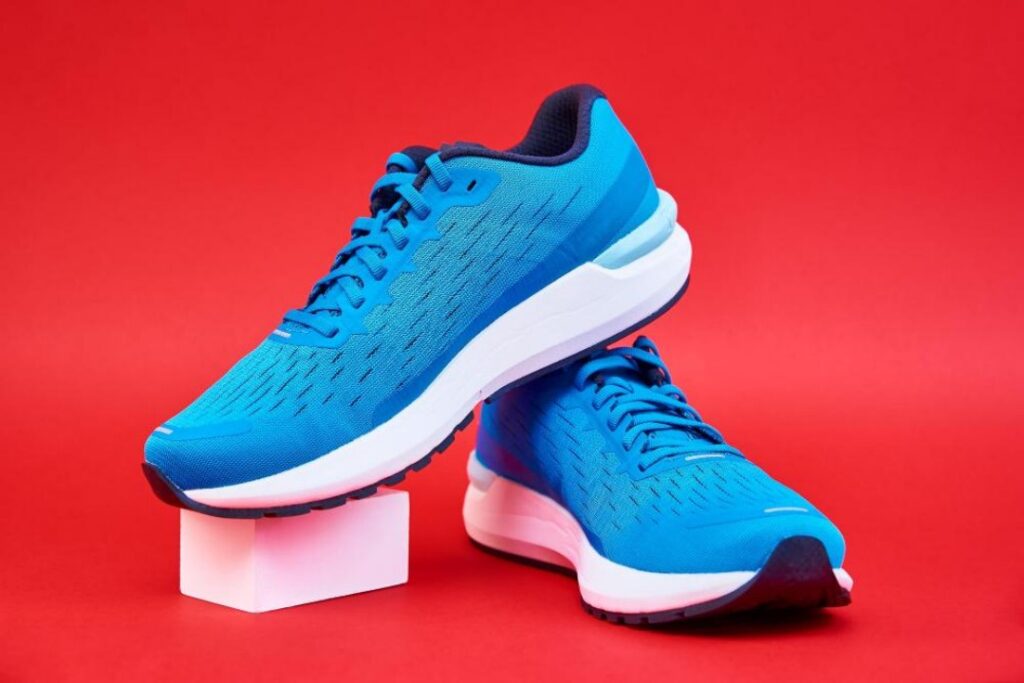
Colored backgrounds can infuse your product photos with energy and character:
- Brand Identity: Reflect your brand colors to enhance recognition.
- Mood Setting:Different colors can evoke different emotions (e.g., blue for calm, red for excitement).
- Natural backgrounds:For products that promote an organic or authentic feel, natural backgrounds like wood, stone, or greenery can be very effective. This approach works particularly well for products related to outdoor activities, natural ingredients, or a rustic lifestyle. Imagine a set of hiking boots photographed against a backdrop of a majestic mountain range, or a skincare line displayed on a bed of soft moss. Natural settings can make products appear more relatable and authentic:
- Lifestyle Context: Showcases products in a real-world setting.
- Organic Vibe: Perfect for eco-friendly and natural products.
- Textured backgrounds:Textures like fabric, wood grain, or concrete can add depth and visual interest to your product photos. This can be a great way to create a unique and artistic atmosphere. Textured backgrounds can also be subtle, such as using a faintly textured paper backdrop for a more minimalist approach. Textured backgrounds can make your photos stand out by adding dimension and interest:
- Visual Interest:Creates a focal point that draws the viewer’s eye.
- Tactile Appeal: Conveys a sense of touch and feel through the image.
Using Props and Accessories to Enhance Your Product Photos
Props and accessories can be powerful tools for setting the scene and telling a story around your product. They can help showcase the product’s functionality in a real-world setting, demonstrate its scale, or create a certain mood or lifestyle association. For example, photographing a teapot alongside a steaming cup and a cozy knitted blanket evokes a sense of warmth and comfort, perfect for a tea brand. Props can help in telling a story and adding context to your product:
- Contextual Relevance:Use props that highlight the product’s features and uses.
- Balanced Composition:Avoid clutter by choosing a few well-placed props.
Editing and Post-Processing Tips for Product Photography Backgrounds
Even after choosing the perfect background, editing software can help you achieve a flawless final image. Here are some tips:
- Refine the background:Use editing tools to remove unwanted elements from your background. You can also adjust the background color or blur it slightly to create a more artistic effect, ensuring the product remains the focal point.
- Adjust lighting and color balance:Ensure your product is properly lit and the background color complements the product itself. This may involve adjusting the white balance or using selective adjustments to fine-tune the look.
- Clean up the edges:Clean up the edges around your product to create a more professional look. This can be especially helpful when using textured backgrounds or removing the product from its original background.
- Professional Company:Take help from a professional company to change the background of a photo, remove unwanted elements from photo, or adjust lighting and color balance and many more.
Conclusion
By considering these background ideas and editing techniques, you can elevate your product photography and make your products truly stand out. Remember, the background is more than just a backdrop; it’s a key element in storytelling and conveying the value proposition of your product. So experiment, have fun, and find the perfect backdrop to set your products apart from the competition!
