

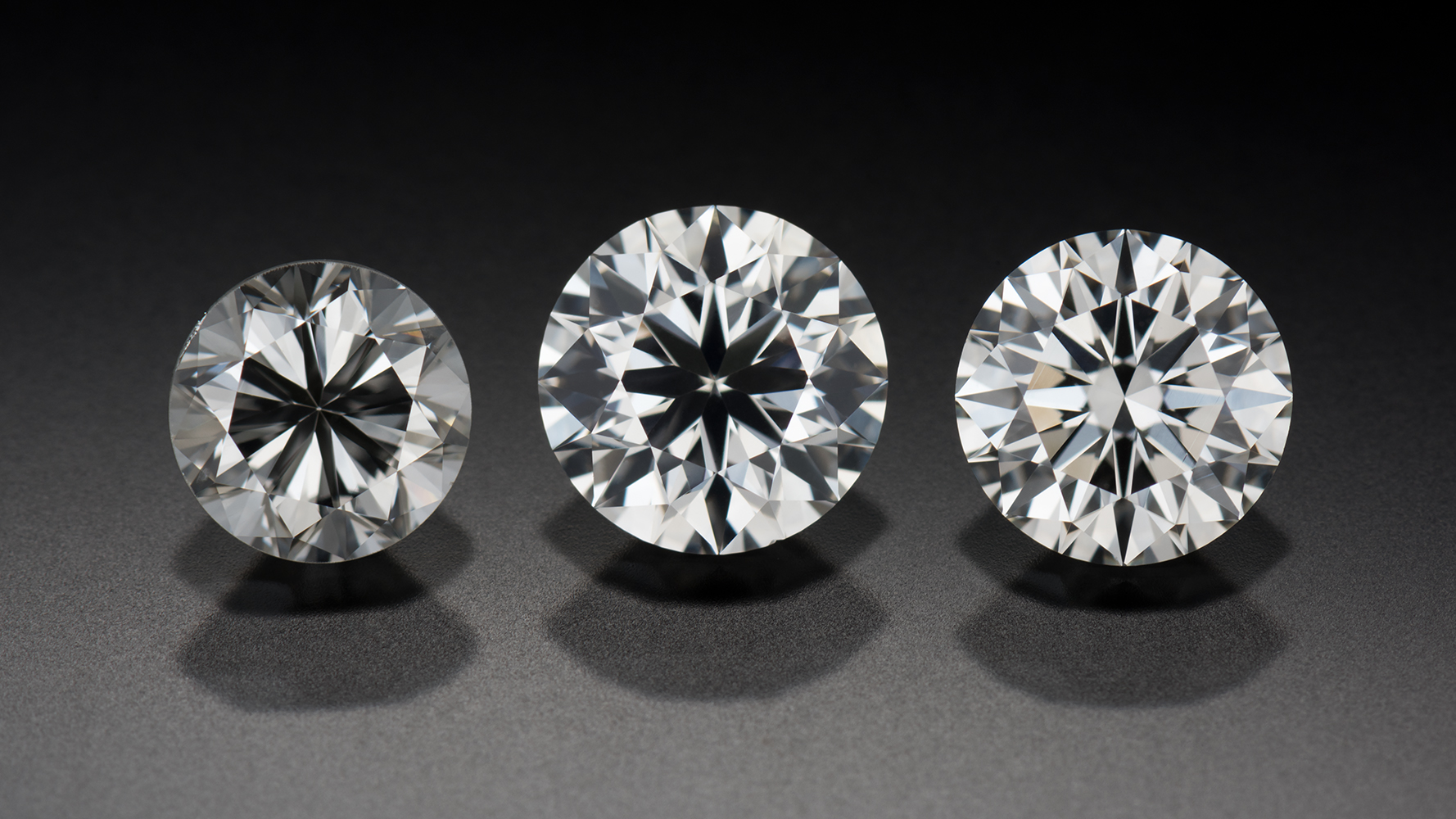
Lab grown diamonds hold the same physical, chemical and visual characteristics just like natural diamonds. These are also called cultured or manmade diamonds, and they are manufactured by simulating the diamond’s crystallization process within a strictly monitored technological environment by use of advanced manufacturing processes. Lab grown diamonds have been increasingly demanded in jewelry due to its advanced technologies which have helped reduce production cost over time.
The need for lab grown diamonds
Eco-friendly and ethical sourcing
Firstly, compared to the ecological footprint of diamond mining, it has been realized that this is an environmentally friendly means of producing artificial diamonds. This large-scale mining often results in land exploitation, deforestation, water contamination as well as adverse effects on the surrounding wildlife and human habitats. Lab-created diamond makers tend to use extremely low-emission processes with electricity from renewable energy sources. Thus, cultivated diamonds appeal much to luxury buyers who are aware of sustainability issues.
Uniform quality and grading standards
The technical precision involved in laboratory fabrication allows for achieving highly uniform product quality, which is challenging to obtain even in naturally occurring gems with many variations. Controlled engineering thus assists in formulating improved grades that are colorless at lower costs but with fewer defects during production. When not affected by any incorporated imperfections, lab diamonds possess extremely homogeneous crystal lattice structures as well as optical transparency. The reputable grading institutions apply the same 4Cs criteria for both mined and artificial gemstones based on carat weight, clarity cut, and color.
Price competitiveness and value
Due to their eco-sustainable methodologies of synthesis, lab grown diamond offer considerable savings compared to a comparable earth-mined one when considering such factors as carat size, cut grade, or color grade, among others. To customers who need similar shine but cannot afford high-end mined stones due to budget constraints, this forms the primary attraction point. Their category is still new; however, it only offers a few options now, though it can be quickly addressed by wider acceptance of buyers and long-term value predictability.
No ethical issues and transparent sourcing
Unlike the diamond mining that has been by claims of exploitative labor practices, inequitable distribution of economic profits among locals, and illegal transaction of conflict gems for funding civil wars, lab-grown diamond manufacturers maintain strict self-regulation as well as cohesive monitoring for ensuring fairness, equity, and non-violence. Complete transparency in the whole supply chain is maintained, starting from sustainable raw materials procurement to waste management controls and safe employee working conditions.
Faster inventory fulfillment
Retailers and online sellers work closely with lab diamond firms to create digital interfaces where consumers can visibly compare inventories of earth mined and lab grown options across price points. Instead of relying solely on what exists in nature, retailers can place orders with certified lab diamond manufacturers to satisfy precise consumer preferences for cut, color, and clarity more quickly. Through partnership models among manufacturers, certification bodies, jewelry retailers, and cultured diamonds will go mainstream.
Conclusion
Aspects that make synthetic diamonds attractive to customers include their environmental friendliness, ethical sourcing that is above board, quality stability over time, cost-effectiveness, and innovation within the market, facilitating diversification of choices. Increasingly, more eco-conscious are pushing up demand for cultivated diamonds as well as demanding supply chain transparency.
